Elon Musk thinks merging SpaceX and Tesla “would be a good idea.” The technology reasons are more interesting than the financial ones.
On SpaceX’s earnings call on October 20, Musk confirmed that both companies have formed special committees of independent directors to study a combination. He recused himself, calling himself “a conflicted party,” and stressed that shareholders must approve. At Tesla, that means a majority of all outstanding shares, “quite a high hurdle.”
The tech logic is convergence. Musk cited AI software, chip design, robotics and space-based computing as areas where the companies could gain by working together. SpaceX absorbed xAI in February; Tesla is pushing Optimus robots and robotaxis.
Why now
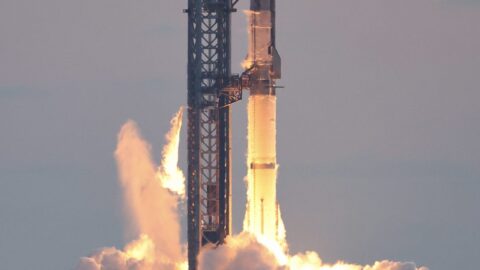
SpaceX just posted its first quarterly profit as a public company: $4.4 billion on $14.58 billion in revenue, driven by its Super Intelligence AI segment. The company is no longer just rockets; it is an AI compute business that happens to launch things.
Tesla, meanwhile, just cut its capex guidance, signalling capital discipline. A merger would pool resources for the AI buildout both companies say they need.
The hurdles
OpenAI’s Google Cloud deal shows how fast the AI landscape moves. A $3.5 trillion combination, as Bloomberg estimates, would be the largest merger in history. But Musk himself cautions it is not guaranteed, and the committees have agreed on nothing.
Good idea is not done deal.