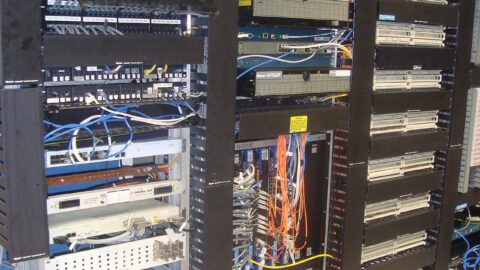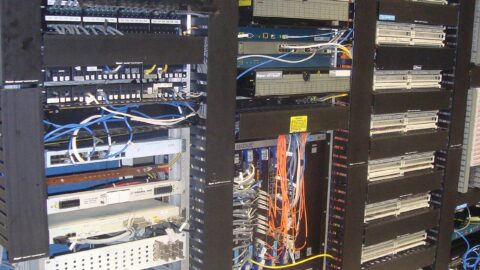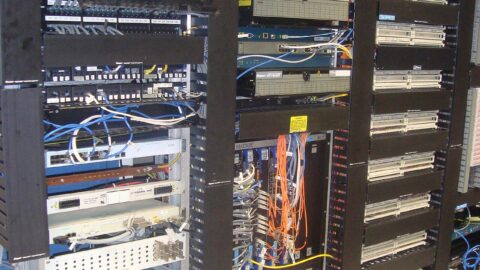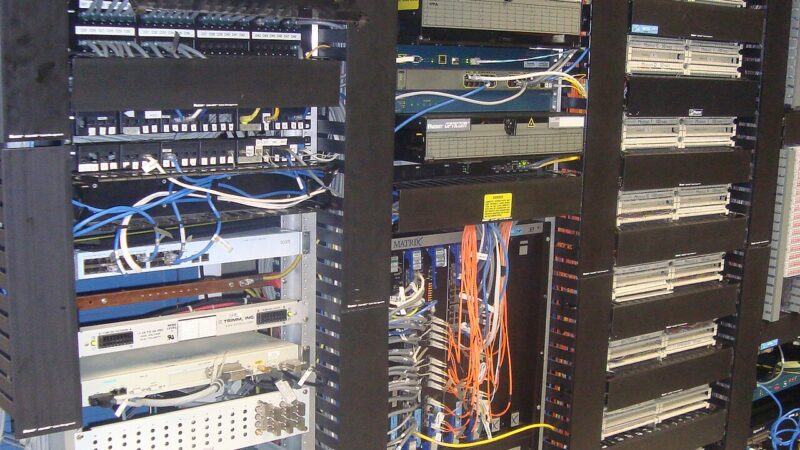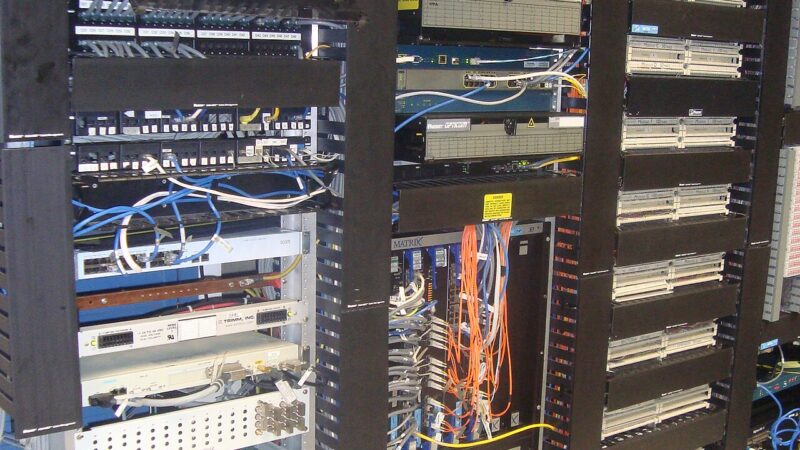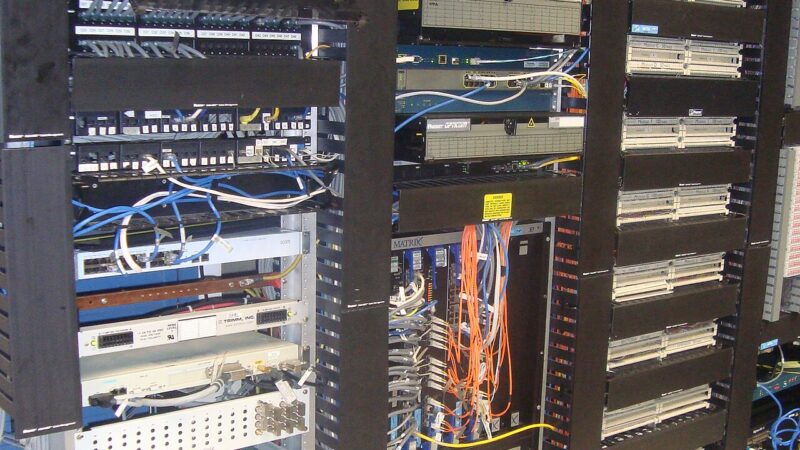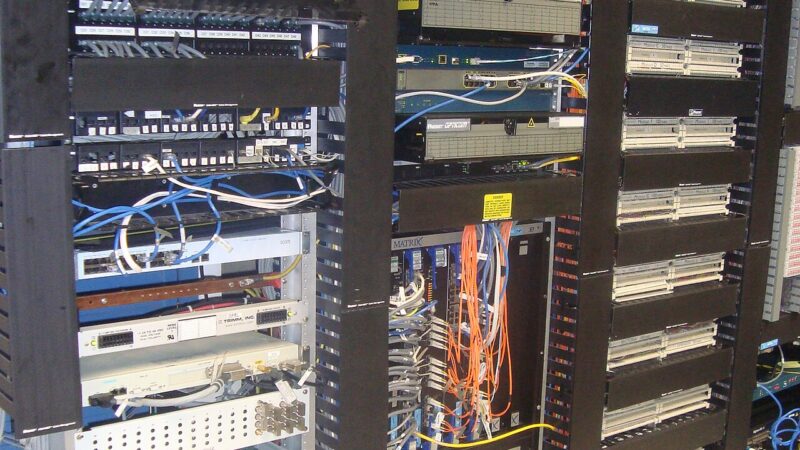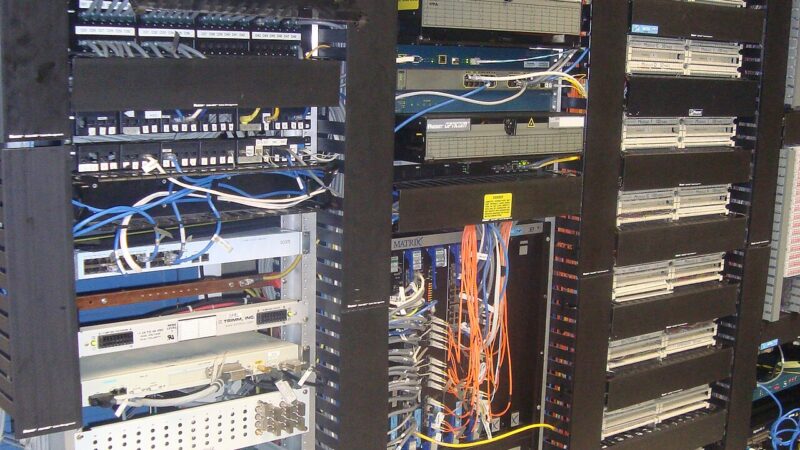
CoreWeave reports third quarter results after the bell on Tuesday, in a release Reuters calls a barometer of investor anxiety over AI. The data centre operator sits at the centre of the debate over whether the artificial intelligence buildout is a boom or a bubble, and its numbers will be read as a verdict on the whole sector.
Why it matters
The anxiety is real. The Nasdaq sits in correction territory after its worst week since June, chip stocks have been sold hard, and Nvidia fell more than 4 percent on Monday as its board opened a probe into chief executive Jensen Huang. Investors are asking whether the spending on data centres will ever pay off, and CoreWeave is the company that lives or dies on the answer.
The case for the spending is in the results already reported. AMD said data centre sales nearly doubled in its latest quarter, and forecast sales growth of 80 percent in 2027. Google has just committed 15 billion dollars to data centres in Malaysia, and Morgan Stanley expects United States business investment to rise about 7 percent in the fourth quarter on AI spending. The demand underneath the prices has not gone away. Goldman Sachs argued that technology giants may pull capital spending forward into 2027, and Morgan Stanley expects United States business investment to rise about 7 percent year on year in the fourth quarter.
What happens next
The case against is in the politics and the power grid. Voters in at least 29 jurisdictions approved bans or restrictions on data centre building, a new Congress is expected to scrutinise construction, semiconductor exports and energy use, and the 141 gigawatts of data centre plans now face questions about where the power will come from. A barometer measures pressure, and the pressure on AI spending is rising from every direction.
What happens next will be decided after the bell, when CoreWeave numbers land alongside results from D-Wave Quantum and Rigetti Computing. A strong report would let the Monday bounce extend into the AI names. A weak one would confirm the fear that the buildout is slowing. For a sector that has driven the market for two years, Tuesday evening is the test that matters.