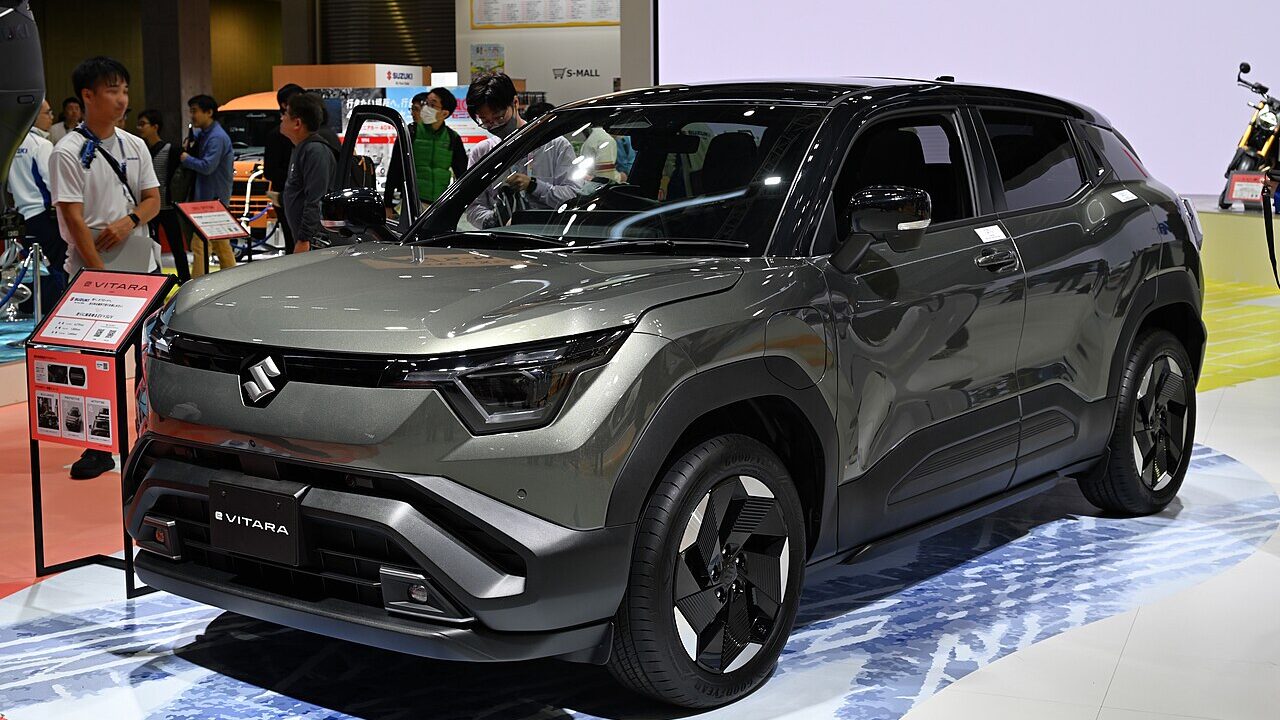
Suzuki Motor plans to start domestic production of lithium iron phosphate batteries for electric vehicles, a chemistry that uses no nickel or cobalt, with mass production due to begin in October 2029. The move is designed to cut the carmaker dependence on imported battery materials, above all from China.
Japan Ministry of Economy, Trade and Industry approved a subsidy of up to 18.7 billion yen, about 117 million dollars, for the project on November 26. Suzuki and its partner, Japanese battery maker ELIIY Power, will invest about 44.7 billion yen, roughly 280 million dollars, to build the plant in Kosai, in Shizuoka Prefecture. The factory will have annual capacity of 0.48 gigawatt hours, enough for around 18,000 electric minivehicles.
Iron and phosphorus instead of nickel and cobalt
LFP cells use iron and phosphorus as cathode inputs, which removes the expensive rare metals found in many rival batteries. The chemistry is generally cheaper to make and is regarded as strong on safety, although it typically offers less driving range than nickel based alternatives. Suzuki plans to use the cells first in small electric cars, including its e Sky kei minicar, which it started selling this month, and the e Vitara crossover.
The project also answers a supply chain worry that has grown across the Japanese car industry. Suzuki currently relies on Chinese suppliers, including BYD, for the LFP packs fitted to its electric models, and Beijing export curbs have made that dependence harder to defend. By building cells at home, Suzuki aims to insulate its assembly lines from disruption abroad, and the government certified the plan under its Economic Security Promotion Act.
A plant that serves homes as well as cars
The Kosai line will build standardised cells designed for both stationary storage and automotive packs, and used modules will be reconditioned for homes and businesses once they fall below automotive tolerances. That second life is part of the plan, with phased deliveries for residential storage and electric cars due to start in fiscal 2030. The project is Japan’s first planned domestic mass production line for automotive LFP hardware, a modest but symbolic step in an industry dominated by Chinese and South Korean producers.
The Japan Times reported the announcement on Thursday, and the deal fits a wider pattern in which carmakers are paying more for supply security. Chip makers have faced the same pressure, and Digital News Point has tracked how TSMC monthly sales jumped 60 percent as AI chip demand held. Congress is also weighing stricter chip export rules as Washington, Beijing and Moscow negotiate, a reminder that technology supply chains now sit at the centre of industrial policy.