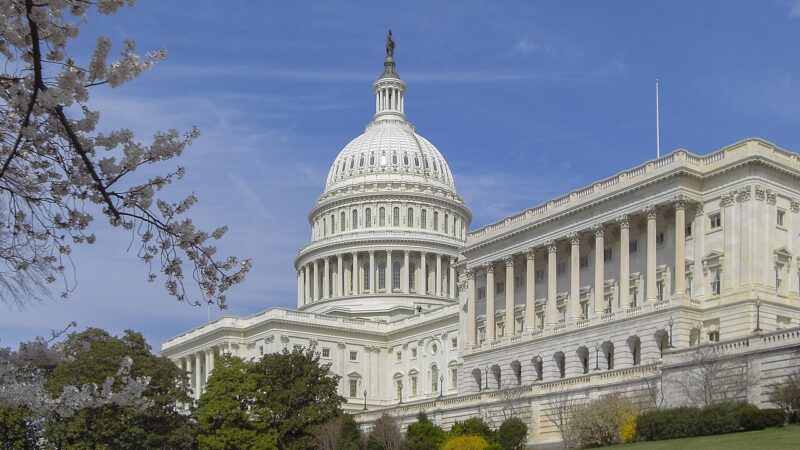
With the November midterm elections approaching in the United States, every major decision in Washington is being read through an electoral lens. Campaigns, congressional leadership and the White House are weighing policy moves against voter reaction in competitive districts and states.
Public reporting from national outlets shows parties emphasising different closing arguments on the economy, public safety, immigration and democratic institutions. Polling averages move with each survey, and Digital News Point does not treat any single poll as a prediction.
Election administration is also in focus. State and local officials have described preparations for voting, counting and certification under existing law, while courts continue to resolve pre-election disputes that could affect procedures in specific places.
Digital News Point verified the electoral timetable and the existence of competing campaigns from reputable national reporting. This article describes the political context; it does not forecast results. Individual race coverage will cite official sources and named reporting.
Reporting is based on statements and reporting available at publication time. Digital News Point verified the central facts against at least two reputable sources and attributes claims to their sources in the text. This story will be updated if confirmed new information materially changes the account, and corrections will follow the site corrections policy.
How the midterm cycle shapes incentives
Midterm elections in the United States, held between presidential terms, return the entire House of Representatives and a portion of the Senate to the voters, along with many governorships and state offices. Because the president is not on the ballot, the contests often function as a referendum on the administration in office, filtered through local candidates, district boundaries, and state-specific issues. That structure explains the pattern described in the original reporting, in which every major decision in Washington is read for its effect in competitive districts and states, even when the decision itself concerns national policy with a longer horizon.
The incentives differ by role. Congressional leaders must hold together coalitions that include members in safe seats and members in marginal seats, whose electoral needs may point in opposite directions. The White House must weigh the value of a policy achievement against the risk of a difficult vote for an allied incumbent. Campaigns, for their part, compress complex records into a small number of closing arguments, emphasising the economy, public safety, immigration, and democratic institutions in the proportions they judge most persuasive for the voters they still hope to move in the final weeks.
Administration, courts, and the limits of polling
Alongside the campaign runs the continuing work of governing, and the original story rightly separates the two. Election administration is carried out by state and local officials under existing law, which covers registration, ballot design, equipment testing, counting, and certification on set timelines. Courts, meanwhile, continue to resolve pre-election disputes that could affect procedures in specific places, typically on expedited schedules so that voters and officials have clarity before ballots are cast. Neither process is directed by the campaigns, even though both are closely watched by them.
Polling belongs in a third category. Averages can show the direction and closeness of a race, but any single survey reflects a sample, a method, and a moment in time, and late movement, turnout composition, and undecided voters can each shift an outcome that appeared settled in a headline. That is why responsible coverage, as the original article notes, does not treat any single poll as a prediction. Readers comparing results across outlets should look for sample size, population surveyed, dates in the field, and whether the same firm has tended to lean in one direction, rather than for the most dramatic number.
What to watch next
In the weeks that remain, the most informative signals are procedural and local. They include early and absentee voting volumes reported by state officials, court orders that settle the rules for a particular county or state, and the final spending and travel choices of the campaigns themselves, which reveal where each side believes the outcome is still in play. National messaging will grow louder, but the count will be conducted state by state and district by district, under the procedures each jurisdiction has published.
After voting ends, attention will turn to counting timelines, which vary by state law and by the volume of mail ballots that must be verified before they can be tallied. Accurate reporting will keep the distinction the original story maintains, describing the political context without forecasting results, citing official sources for counts, and updating race coverage from named reporting as results are certified through the processes voters were told to expect.