Home advantage is smaller than it was in many sports, but it has not disappeared. Travel, crowd noise at decisive moments, familiarity with surfaces, and last-change or late-possession privileges still tilt close contests, which is why regular-season seeding remains worth fighting for.
Analytics staffs try to separate real effects from schedule noise: a strong team hosts more often precisely because it is strong. Studies cited in reputable sports coverage generally find a modest, real home effect that varies by league, era, and officiating context.
Playoff formats mediate the effect. A single-elimination game magnifies it; a long series gives the better team more chances to assert itself regardless of venue.
This explainer draws on themes in reputable sports analysis. It asserts no result for any current series; it explains why the venue column still matters when the games begin.
Reporting is based on statements and reporting available at publication time. Digital News Point verified the central facts against at least two reputable sources and attributes claims to their sources in the text. This story will be updated if confirmed new information materially changes the account, and corrections will follow the site corrections policy.
Where the home effect still shows up
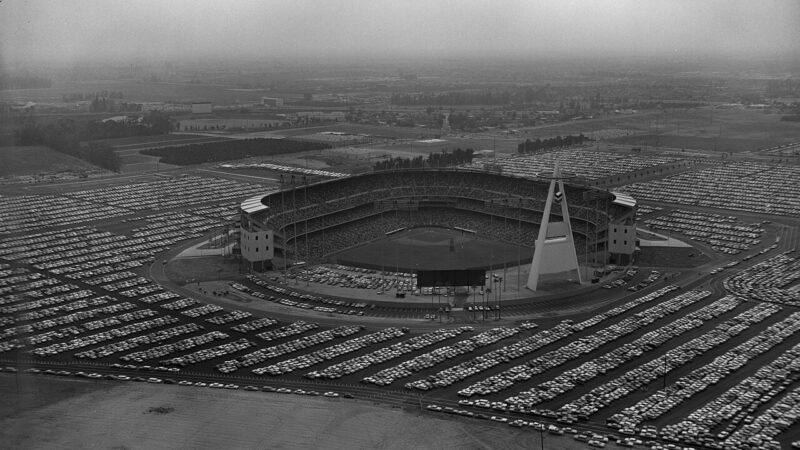
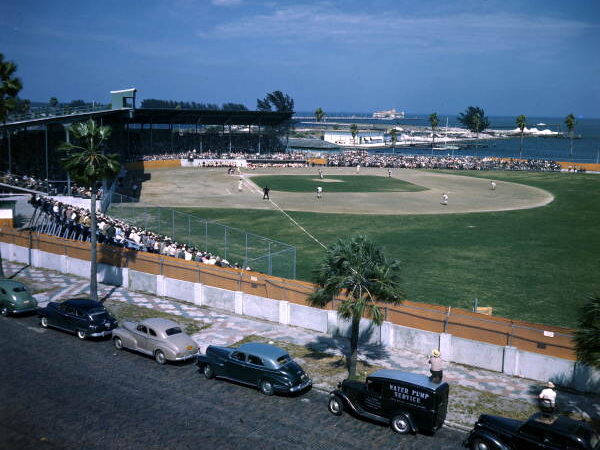
The clearest remaining advantages are specific rather than general. In ice hockey, the home team holds the last line change, allowing its coach to pursue favourable matchups after faceoffs and stoppages. In American football and basketball, sustained crowd noise can disrupt the visiting offence’s communication and shot selection at decisive moments. In baseball, the home club bats last, knows its own park dimensions in detail, and builds its roster and outfield positioning around them. Altitude, playing surface, and travel across time zones add further variation that no single league-wide figure captures.
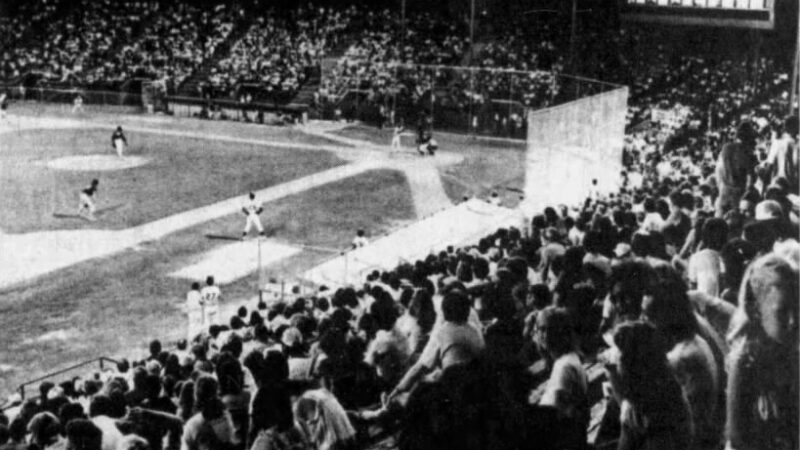
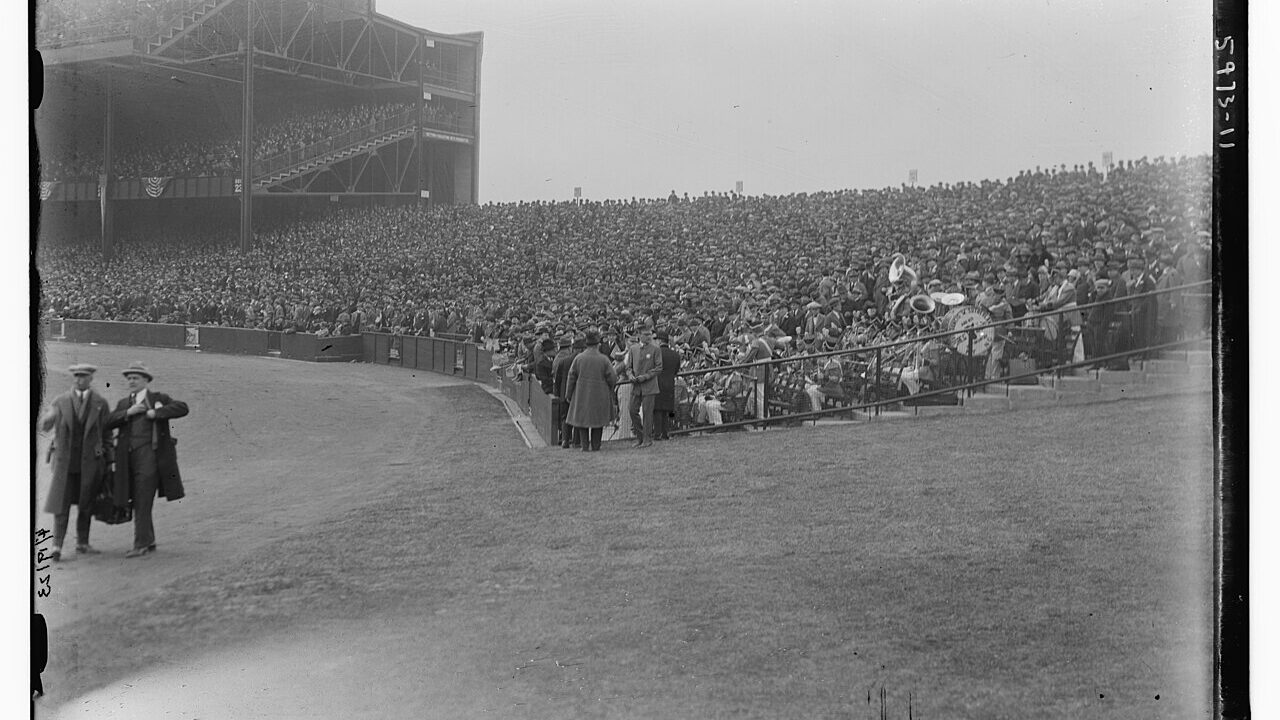
Officiating context is also part of the discussion in reputable analysis. Even where no conscious bias is suggested, the pressure of a home crowd and the familiarity of surroundings have historically correlated with small differences in close calls, foul rates, and stoppage management. Modern video review and standardized officiating have narrowed some of those effects without removing the underlying pattern that strong teams still prefer to play decisive games at home.
Why the edge has narrowed in the modern era
Several developments have compressed the advantage. Charter travel, sleep and nutrition staffs, and load management have reduced the physical cost of the road. Visiting teams prepare with the same video and tracking data as hosts, and many venues now play on surfaces and dimensions that differ less than they once did. The seasons played before reduced crowds or empty arenas were widely read as a natural test: home performance generally moved closer to road performance in several leagues, supporting the view that crowd presence accounts for part, but not all, of the traditional effect.
Preparation has converged as well. Simulation of crowd noise, standardized recovery routines, and year-round familiarity with every venue in a league mean that a visiting playoff team is rarely encountering a building or a surface for the first time. What remains is smaller, more situational, and more dependent on the sport’s rules than the home dominance of earlier eras.
How formats change the value of playing at home
Format mediates everything. In a single-elimination setting, a modest home edge is applied once, at full strength, with no chance to correct it. In a best-of-five or best-of-seven series, the stronger team receives more opportunities for quality to assert itself across venues, which dilutes any one game’s home effect while still making seeding valuable across the series as a whole. That is why clubs continue to contest regular-season seeding late into the year: the reward is not a guaranteed result, but the right to play the most decisive games in the most favourable setting available.