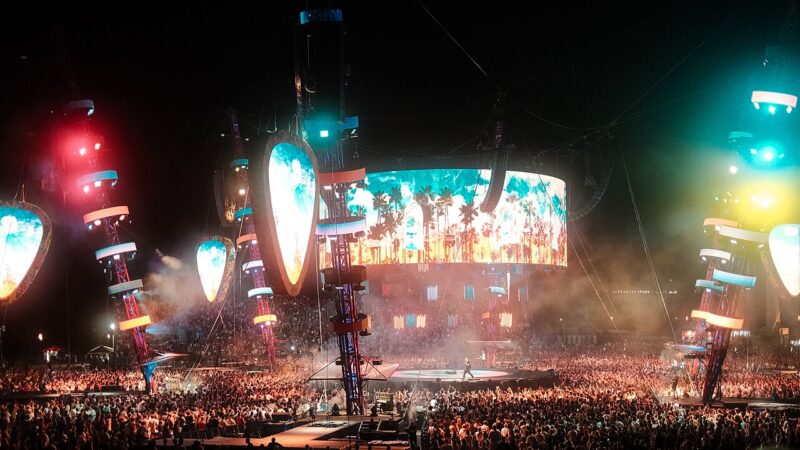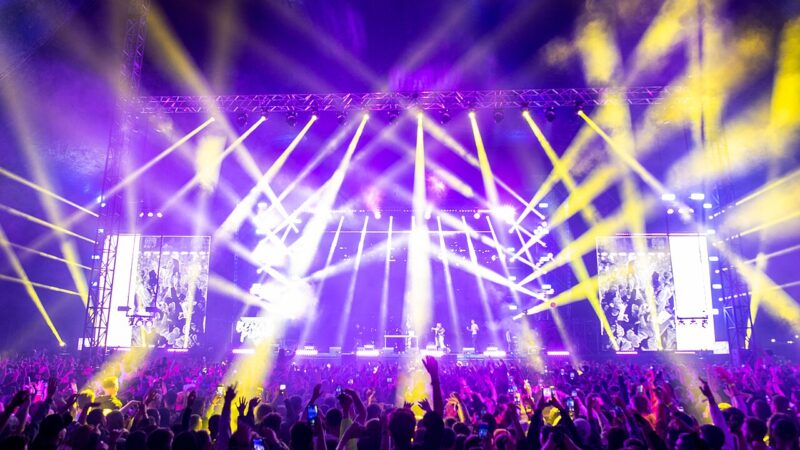

Concert promoters, venues and insurers have tightened crowd-safety expectations over the past decade: clearer capacity discipline, barrier design, show-stop procedures, and communication between stage, security and medical teams. Industry reporting treats these as production standards, not optional extras.
The operational change is cultural as much as technical. Artists and stage managers now rehearse interruption language; audiences are told plainly how to signal distress; and a stopped show is treated as a success of the system rather than a failure of the event.
Regulation varies by jurisdiction, and reputable coverage distinguishes guidance from enforceable code. Insurance conditions increasingly enforce what guidance recommends.
Digital News Point reports safety standards from reputable industry and public-safety sources and will not publish unverified claims about any specific incidents handling.
Reporting is based on statements and reporting available at publication time. Digital News Point verified the central facts against at least two reputable sources and attributes claims to their sources in the text. This story will be updated if confirmed new information materially changes the account, and corrections will follow the site corrections policy.
What changed across a decade of reviews
The tightening described in industry reporting has been practical and cumulative. Capacity is now treated as a managed condition rather than a number on a licence, with entry counts, barrier configurations, and viewing density monitored during the show rather than only at the door. Front-of-stage barrier design, separated pit areas for medical and security staff, and clear extraction routes allow responders to reach a distressed audience member without moving through the densest part of the crowd. Free water access, shade and cooling in hot conditions, and visible information points have similarly moved from courtesy to expected provision at large events.
Insurance has reinforced the shift. Where guidance recommends a standard, insurers increasingly require it as a condition of cover, which gives promoters and venues a commercial reason to adopt practices that public-safety reviews had already endorsed. Regulation still varies by jurisdiction, and reputable coverage distinguishes voluntary guidance from enforceable code, but the direction of travel across major touring markets has been consistent.
How a show stop now works in practice
The most visible cultural change is the rehearsed interruption. Artists, stage managers, and security leads agree in advance who can call a pause, what language the performer will use, and how house lights and screens will be deployed to calm and direct the audience. A stopped show is now presented to crowds as evidence that the system is working, which reduces the pressure on performers to continue through warning signs and makes audiences more likely to signal distress early.
Communication has been formalized for the same reason. Radio links between stage, front of house, medical teams, and venue control, plain-language announcements about how to attract help, and post-show debriefs that record near misses as carefully as injuries are all part of contemporary production standards. The aim is a chain of decisions that does not depend on any single individual noticing a problem in time.
What to watch next
The continuing tests are heat, ingress, and communication at scale. How venues manage extreme temperatures, how entry and exit flows are separated for very large crowds, and how clearly safety information reaches first-time attendees will determine whether current standards hold as touring production grows more ambitious. Specific incidents should always be reported from organizer, venue, or public-safety statements rather than from unverified accounts circulating during an event.
Promoters increasingly publish heat, entry, and transport guidance before doors open, so that expectations about water, shade, and exit routes are set before large crowds have gathered.