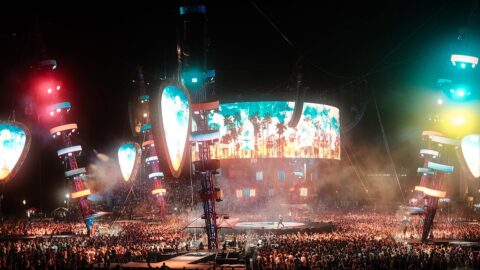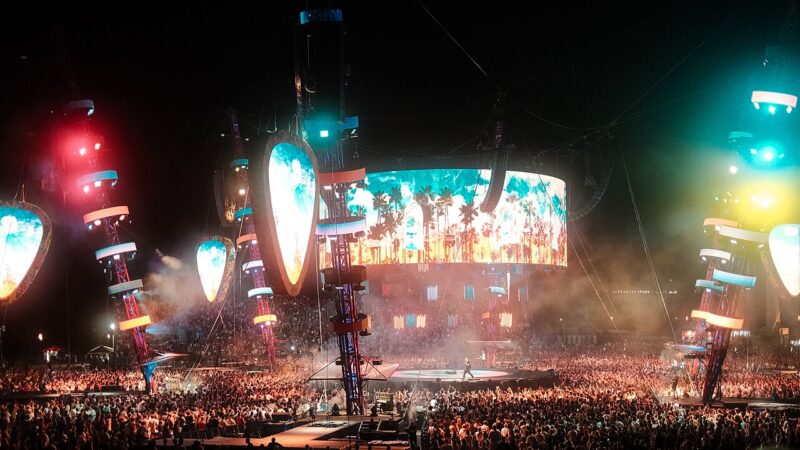

The pattern at recent music awards, including this weeks Filipino Music Awards where Tour of the Year sat alongside Artist of the Year, reflects an industry truth: live performance is where recorded fame becomes durable income. A hit opens the door; a tour pays the company.
Streaming rewards scale, but per-play economics favour only the largest catalogues. Touring, merchandise and brand partnerships convert attention directly, which is why labels judge a campaign by whether an artist can sell the same room twice.
Awards bodies have adjusted their categories accordingly, honouring concert production as a creative discipline in its own right. Lighting, staging and live arrangement are now part of how an act is critically assessed.
This analysis synthesises reputable music-business reporting. Box-office and gross figures, where ever quoted in future coverage, will be attributed to their trackers.
Reporting is based on statements and reporting available at publication time. Digital News Point verified the central facts against at least two reputable sources and attributes claims to their sources in the text. This story will be updated if confirmed new information materially changes the account, and corrections will follow the site corrections policy.
How the money moved from records to rooms
Recorded music did not disappear as a source of value; its economics changed shape. Streaming pays at scale across a catalogue, which rewards artists with deep libraries and global reach while making it harder for a single single, however visible, to sustain a full organization on plays alone. Touring, merchandise, and brand work convert that same attention directly. A fan who streams a song may generate a fraction of a cent per play across rights holders; the same fan at a concert represents a ticket, a per-head merchandise average, and a relationship the artist can repeat in the same room on the next cycle.
Labels and managers therefore judge campaigns by conversion. The question is no longer only whether a release was heard, but whether it produced an audience that will buy a ticket twice, travel to a larger venue, and support the higher production costs that modern touring demands. Awards coverage that places Tour of the Year beside Artist of the Year is reflecting that test rather than inventing it.
What a tour has to do to pay
A successful tour balances guarantees and box-office splits against a heavy fixed cost base: musicians and crew, staging, transport, insurance, venue hire, and promotion. Routing matters as much as demand. Dates sequenced to reduce empty travel days, rooms matched carefully to current drawing power, and production scaled so that it can be rebuilt nightly without delay all determine whether strong ticket sales become a sustainable result. Merchandise design, venue percentages, and tiered pricing are now part of the creative conversation for the same reason.
That cost structure also explains why live performance is judged as a discipline. Lighting, sound, staging, and live arrangement are not decoration around the songs; they are the product the audience has paid to experience, and they are assessed accordingly by critics, awards bodies, and repeat ticket buyers.
What to watch next
The pressure points to follow are pricing, scale, and geography. How promoters price high-demand rooms without narrowing the future audience, whether mid-sized venues remain viable for developing acts, and how international routing serves diaspora and streaming-discovered audiences will shape the next cycle of awards more than any single ceremony. Where grosses are reported in future coverage, they should always be read with their source and market attached.
Sustainability requirements for freight, staging, and power are also becoming a standard part of tour planning, venue reporting, and promoter decision making across major touring markets.