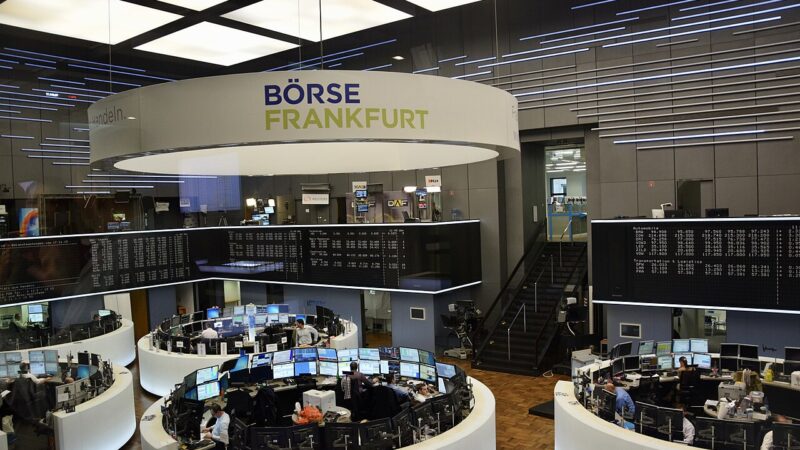
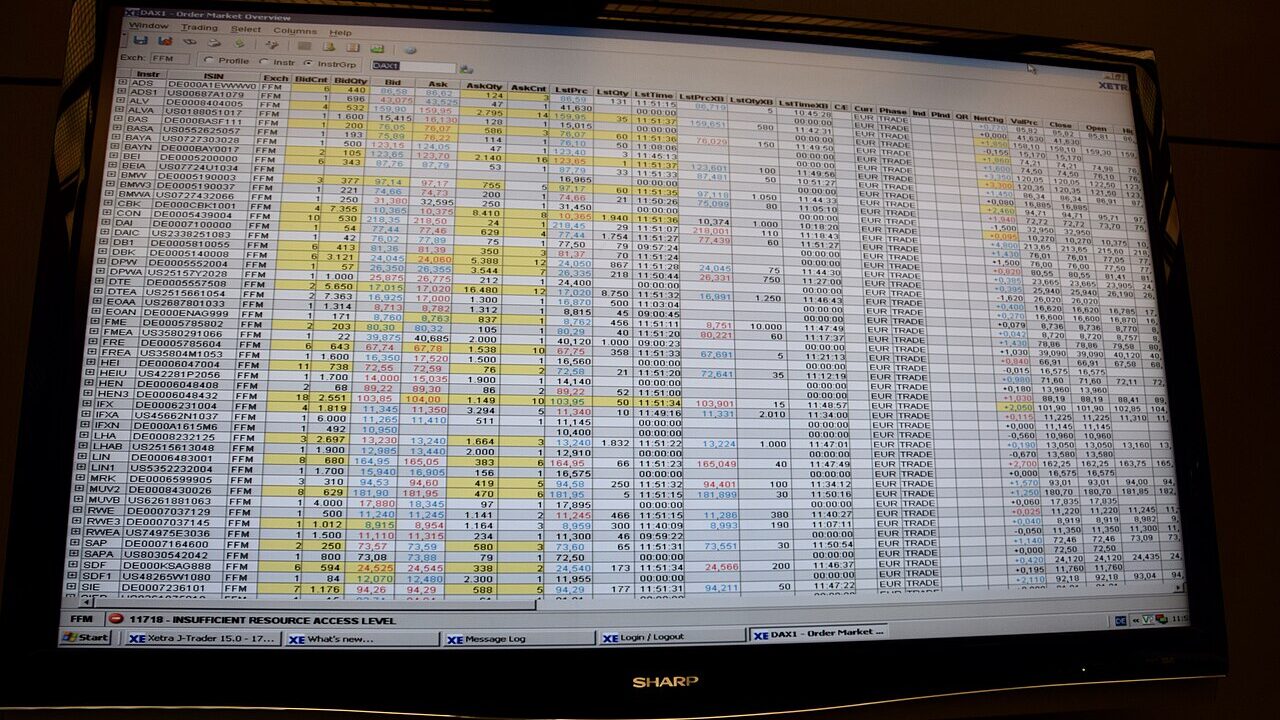
United States stock futures and cash markets have been taking cues from lower oil prices and cooler Treasury yields, with large technology names still driving index moves. Market coverage describes an S&P 500 hovering near record territory while sector leadership rotates.
Energy and financial shares have outperformed on some sessions while technology has lagged on valuation worries, a pattern visible in sector tables published by market-data providers. The mix matters more than any single index level for households whose savings sit in diversified funds.
The coming earnings season will test whether profits justify prices. Guidance, not only reported profit, tends to move shares: companies that lower outlooks are punished even when the completed quarter meets estimates.
This article summarises reputable market reporting for context. It contains no recommendation. Readers should consult licensed advisers and primary filings before acting.
Reporting is based on statements and reporting available at publication time. Digital News Point verified the central facts against at least two reputable sources and attributes claims to their sources in the text. This story will be updated if confirmed new information materially changes the account, and corrections will follow the site corrections policy.
How oil and yields transmit into equities
Oil prices influence equities through several channels at once. Lower energy costs can ease transport and manufacturing expenses and leave households with more discretionary income, while also signalling softer global demand if the decline reflects weaker growth expectations. Energy producers themselves move in the opposite direction to many consumers of fuel, so the index-level effect depends on sector weights and on the reason prices are moving.
Treasury yields set a benchmark for discounting future earnings. When yields cool, the present value of profits expected in later years rises, which can support growth shares that trade on those expectations. When yields rise, investors demand a higher return to hold riskier assets, and valuations can compress even if company earnings are unchanged. Bond and equity markets therefore often move in conversation, each testing the others view of growth, inflation, and central-bank policy.
Why sector rotation matters more than a single high
An index near its record can mask very different experiences beneath the surface. If energy and financial shares lead on some sessions while technology lags on valuation concerns, diversified funds will feel a blend of those moves rather than the headline index alone. Rotation can reflect investors locking in gains in crowded trades, searching for value in lagging sectors, or repositioning ahead of earnings where expectations differ widely by industry.
For households, the practical lesson is to look beyond a single index level to diversification, fees, and time horizon. A fund that tracks a broad index will participate in whichever sectors lead, while concentrated holdings will amplify both gains and setbacks when leadership rotates. Market coverage that names the leading and lagging sectors, rather than only the index close, gives a fuller picture of risk on any given day.
What earnings season will test
Earnings season replaces speculation with reported results, but the share reaction usually turns on guidance. Companies publish revenue and profit for the completed quarter alongside an outlook for the next period and, in many cases, the full year. If that outlook is lowered because of costs, currency, supply, or demand, shares can fall even when the completed quarter meets estimates, because investors are pricing the future path rather than the past three months.
Readers can follow results most usefully by comparing reported figures with the companys own prior guidance and with how management describes demand, pricing, and investment plans. One-off items, restructuring charges, and tax effects can distort a single quarter, which is why primary filings and earnings calls remain the authoritative record. Digital News Point summarises reputable coverage for context and will report material results from company documents as the season develops.