
Product damage contributes to environmental harm because it leads to unnecessary resource waste, as every damaged item represents a loss of materials and energy that went into its production. Furthermore, the need to replace damaged goods often results in additional environmental impacts, such as increased greenhouse gas emissions from manufacturing and shipping replacement products.
Warehouses and storage facilities across the globe rely on pallets to move, store, and transfer goods. However, pallets tipping over can lead to significant product damage. Minimize the need for costly and resource-intensive product replacement with the following tips for preventing pallets from falling over.
Evenly distributing the weight of the palletized goods maintains balance, reducing the risk of accidents. Begin with heavier items on the bottom and work toward lighter goods on the top of the pallet stack.
Similarly, place bulkier items in the center and at the bottom of the pallet, with smaller boxes or objects surrounding them. Arranging products by weight is one of the keys to preparing your products for palletization.
Conducting regular pallet inspections can help identify potential structural weaknesses that might lead to tip-overs. Examine pallets for broken boards, protruding nails, or other damage that could compromise stability or safety when in use. Remove compromised pallets from use, as they can lead to product damage, injury to personnel, or even larger-scale warehouse accidents.
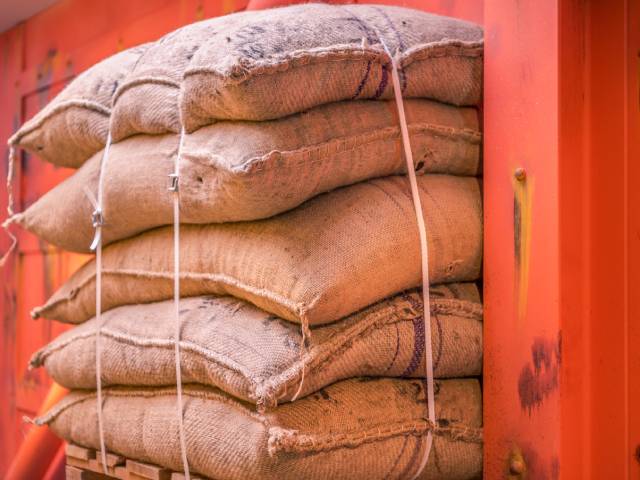
After stacking the products, it’s important to wrap the load correctly. Secure wrapping helps maintain pallet stability and prevents goods from shifting during transport.
You can utilize stretch wrapping or banding to ensure a snug and stable setup. Adding corner protectors or edge boards can also reinforce and support the pallet structure.
Stretch wrapping a pallet of goods involves starting at the base and wrapping around the entire load in an upward spiral, ensuring that each layer slightly overlaps the previous one for increased stability. Wrap tightly enough so that the material maintains a consistent tension across the load, but not so tight that it causes boxes to deform.
Consider using a pre-stretch machine that extends the stretch wrap before it’s applied to the pallet. This allows you to use less material overall, minimizing the risk of wasteful overwrapping.
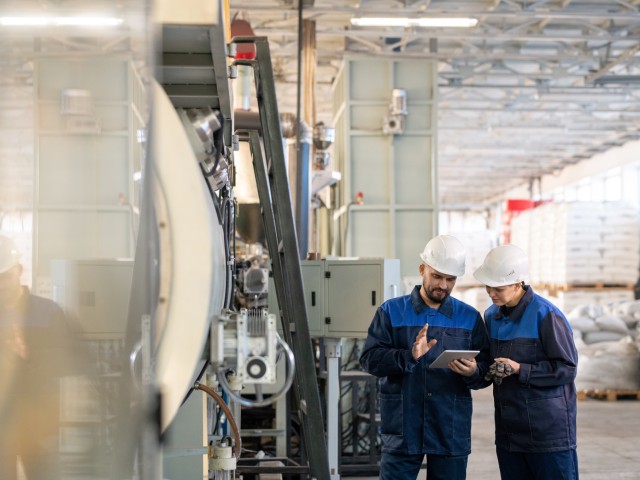
Perhaps one of the most critical aspects of preventing pallets from tipping over is training staff in safe handling practices. Providing comprehensive training that covers proper pallet stacking, wrapping, and inspection techniques will enable your staff to operate with the utmost safety and efficiency.
Training staff effectively begins with comprehensive, hands-on sessions where employees can learn and practice safe pallet-handling procedures under the supervision of a trained professional. It’s also beneficial to provide written guidelines and visual aids, like diagrams or instructional videos, for employees to refer to later.
Creating stable pallets is not just a matter of operational efficiency and product safety but also a substantial environmental stewardship practice. By minimizing the risk of pallet tip-overs, businesses can significantly reduce product damage and, consequently, the waste of resources and energy involved in producing replacements.
24World Media does not take any responsibility of the information you see on this page. The content this page contains is from independent third-party content provider. If you have any concerns regarding the content, please free to write us here: contact@24worldmedia.com